Plain-English explainers
Tangem wallet is a seedless NFC card system for self-custody
In short: Non-custodial NFC hardware wallet for storing, buying, sending, and swapping crypto, with seedless card backups for BTC and Ethereum.
Tangem wallet is a cold storage card system that keeps private keys inside a secure NFC chip and uses backup cards instead of forcing every user to write down a recovery phrase. It pairs with the Tangem mobile app, signs Bitcoin, Ethereum, and other crypto transactions by tap, and gives owners a physical, battery-free way to store assets offline while still managing them from a phone.
The appeal is straightforward: the card holds the key, the phone shows the wallet interface, and the user approves sensitive actions with a tap plus an access code. That design suits people who want hardware-wallet separation without cables, firmware screens, or a fragile paper phrase sitting in a drawer. It also changes the normal recovery model, because the spare cards are part of the wallet from the first setup.
The card-and-app design behind the tap
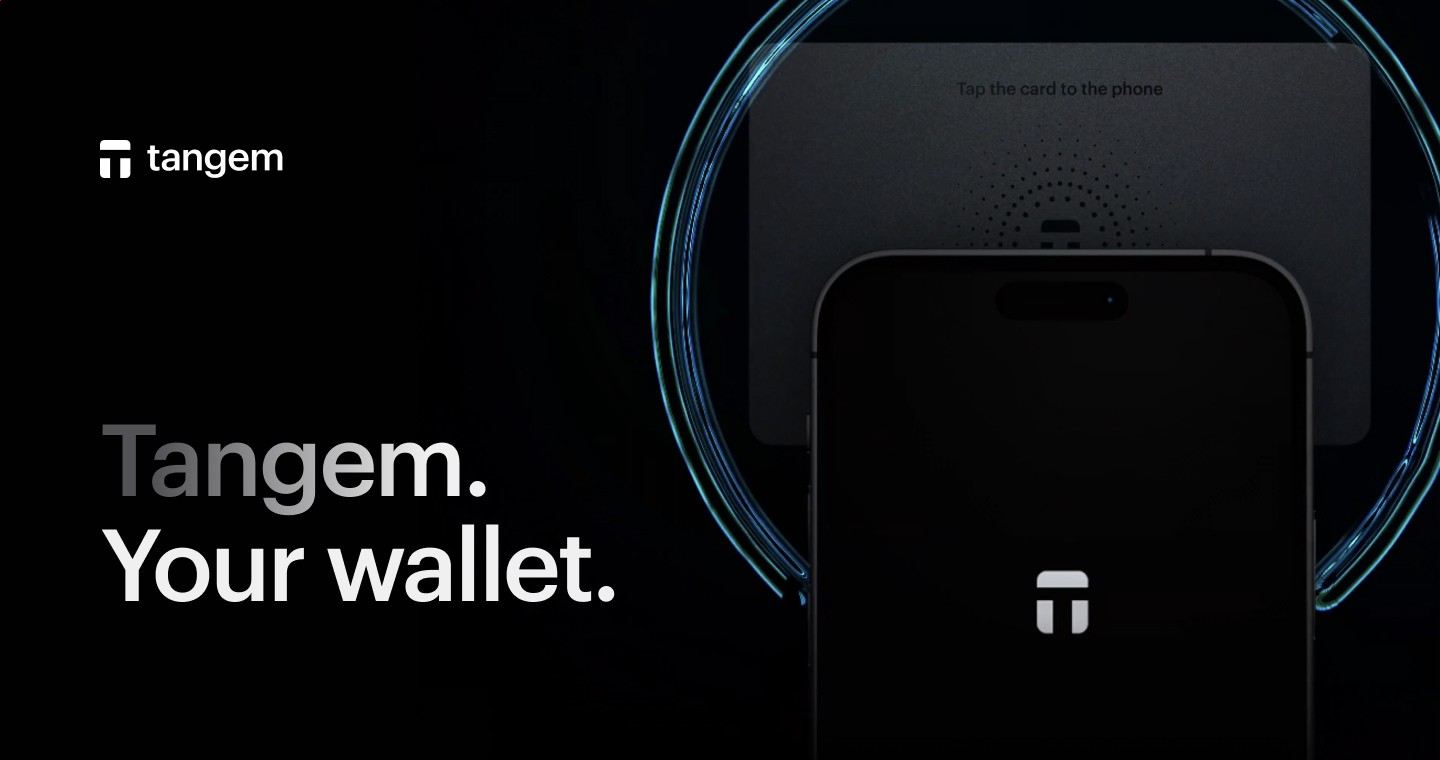
A Tangem card looks closer to a bank card than to a USB hardware wallet, but the important part sits inside the embedded chip. During setup, the card creates or receives the private key inside secure hardware. The mobile app reads balances, builds transactions, and broadcasts them to networks such as Bitcoin or Ethereum, while the card performs the cryptographic signing step over NFC.
This split matters because the phone does the convenient work and the card does the sensitive work. The app connects to blockchains and services, but a transaction still needs a physical tap from the card that controls the key. Tangem wallet therefore feels like a mobile wallet at the interface layer while keeping the signing authority in a separate device.
Seedless backups replace the paper phrase for most setups
The signature feature is the backup-card model. A typical pack contains multiple cards tied to one wallet, so a second or third card works as a spare key if the main card is misplaced. During the guided setup, the backup is created before the wallet is put into regular use, and an access code protects day-to-day access.
That model removes the common routine of copying 12 or 24 words and protecting them forever from photos, cloud uploads, visitors, and phishing forms. Advanced users still have the option to create a seed phrase during setup, but the seedless route is the reason many buyers look at Tangem wallet in the first place. The tradeoff is clear: losing every card tied to a seedless wallet means losing access to the funds controlled by those cards.
What the Tangem app handles after setup
The mobile app is the control panel. It shows portfolio balances, creates receive addresses, prepares sends, and provides built-in access to buying, selling, swapping, and earning features through supported services. The card does not have a screen, so the phone display is where the user reviews token, address, network, and amount details before tapping to sign.
Supported assets extend beyond BTC and ETH to many major coins and tokens across multiple networks. A user holding ERC-20 tokens on Ethereum or tokens on networks such as Polygon still needs the correct native gas asset to move funds. The app experience is simple, but blockchain rules remain the same: the network chosen for a withdrawal or deposit must match the address and asset being used.
Buying, sending, swapping, and spending from cold storage
Tangem wallet is built for more than parking coins untouched. It supports everyday wallet actions while keeping the signing card offline until approval time. Common workflows include receiving BTC from an exchange, moving ETH to a self-custody address, swapping one supported asset for another in the app, and using connected services to buy or sell where available.
- Receive crypto by copying or sharing the address shown in the app.
- Send funds only after reviewing the transaction and tapping the card.
- Swap supported tokens through app-integrated providers.
- Track balances from the phone without exposing the private key.
- Use backup cards to recover access when one card is unavailable.
Because the card is powered by the phone NFC module, there is no charging routine, battery aging concern, or cable dependency. That makes it especially practical for people who store a wallet for long stretches and only transact when they rebalance, move funds from an exchange, or take profits.
Security strengths that come from fewer exposed secrets
The main security benefit is reducing how many secrets a person must handle. A seed phrase written on paper or metal is powerful, but it is also easy to photograph, mistype, misplace, or reveal to a fake support account. With the seedless configuration, Tangem wallet keeps the private key inside the cards and never asks the owner to manually view it.
The hardware also avoids several moving parts found in other devices. There is no display cable, charging port, or battery, and the card signs only when physically tapped. Tangem states that its cards have used secure-element technology and highlights a long operating history since 2017, plus a limited hardware warranty measured in decades. Those facts do not replace good habits, but they explain why the product is popular among users who want low-maintenance cold storage.

Where the design asks for extra attention
The smooth setup has one demanding moment: backups. A seedless wallet depends on the physical cards, so the spare cards need separate, sensible storage. Keeping every card in the same bag or desk drawer defeats much of the recovery advantage. It is better to separate them by location while still keeping each place private and controlled.
The lack of an onboard screen also changes the review process. Since the card cannot independently display the recipient address, the phone screen is where transaction details are checked. Before signing a large transfer, compare the address carefully, send a small test transaction when moving to a new destination, and treat unexpected app prompts as a reason to stop.
Setting up the first card set
Setup starts by installing the official mobile app, tapping the first card, and following the wallet creation flow. The app then guides the backup process for the extra cards in the pack and asks for an access code. Once the card set is ready, the user adds coins, copies a receive address, and sends a small amount from an exchange or another wallet to confirm the path.
A clean first transfer teaches the rhythm: open the asset, choose receive or send, review the network, and tap the card only after the app shows the intended action. Tangem wallet works best when the owner treats the card set like keys to a vault rather than like a login accessory. The phone can be replaced; the cards are the durable recovery path.

Ledger, Trezor, and mobile wallets in the same decision
People comparing wallet types usually weigh convenience against verification style. Ledger devices, such as the Nano line, use a more traditional hardware form with a screen and buttons, and they rely on recovery phrases for backup. Trezor devices emphasize open-source design and a screen-based confirmation flow, again centered on seed phrase recovery. Software wallets such as MetaMask are faster for DeFi browsing, but they keep keys on an internet-connected device.
| Wallet type | Backup style | Best fit |
|---|---|---|
| Tangem card set | Backup cards, with optional seed phrase | Cold storage with phone-first convenience |
| Ledger hardware wallet | Recovery phrase | Users who want a device screen and broad app ecosystem |
| Trezor hardware wallet | Recovery phrase | Users who value transparent firmware and screen confirmation |
| Mobile software wallet | App-based seed or key storage | Frequent DeFi activity with higher hot-wallet exposure |
Day to day, Tangem wallet stands apart because the physical backup system is part of the product's identity, not an accessory added later. It is strongest for holders who want a simple signing object, a familiar phone interface, and fewer chances to mishandle a seed phrase.
Who gets the most value from this wallet
It fits long-term Bitcoin and Ethereum holders, exchange users moving funds into self-custody, and people who dislike the ritual of writing and hiding recovery words. It also works for a household or business owner who wants backup cards stored in more than one secure place without teaching every participant how seed phrases work.
Active DeFi users still need to think about approvals, malicious contracts, and network fees, because a hardware wallet signs what the user approves. For routine holding, transfers, and occasional swaps, Tangem wallet offers a compact cold-storage setup with very little hardware maintenance and a learning curve that starts with tapping a card to a phone.
Common questions about Tangem wallet
What coins does Tangem support besides Bitcoin and Ethereum?
Tangem supports many major coins and tokens across multiple networks, including assets on Ethereum-compatible chains and other popular blockchains. Exact availability changes as networks and token integrations evolve inside the app. The important detail is that each asset must be used on its correct network, and gas fees still require the native coin for that chain, such as ETH on Ethereum or POL on Polygon.
Does Tangem require a seed phrase during setup?
No. The standard appeal is the seedless setup, where the wallet uses multiple physical cards as backups and keeps the private key inside secure card hardware. Tangem also offers a seed phrase option for users who specifically want traditional recovery words. Most beginners choose the card-backup route because it removes the need to write, hide, and protect a recovery phrase.
Can I use Tangem with an iPhone or Android phone?
Yes, it works with modern NFC-capable iPhone and Android devices through the Tangem mobile app. The phone provides the interface and NFC power for the card tap, while the card signs transactions. A device without NFC is not suitable because the card has no cable, battery, or Bluetooth connection for approving wallet actions.
What happens if I lose one Tangem card?
If one card is lost, the remaining backup card or cards still provide access to the same wallet after the correct access code is entered. The sensible move is to transfer funds to a new wallet set if a card is missing and might be found by someone else. If every card tied to a seedless wallet is lost, the funds controlled by that wallet cannot be recovered.
Is Tangem good for frequent trading?
Tangem works for regular sends and swaps, but it is better suited to self-custody than rapid trading. Every outgoing transaction needs the card tap and normal network fees, which adds friction compared with an exchange account or hot wallet. That friction is useful for protecting long-term holdings, while high-frequency traders often keep only active trading capital in faster tools.
Which is safer for beginners, Tangem or a seed phrase wallet?
Tangem reduces one of the most common beginner risks: exposing a recovery phrase through a photo, cloud note, fake support chat, or phishing site. A seed phrase wallet gives powerful portability, but it also creates a secret the owner must protect perfectly. Beginners who prefer physical backups and a simple phone workflow often find Tangem easier to manage responsibly.